How to Actually Prevent Cavities in Kids (It's Not Just Sugar)
How often your child eats matters more than how much sugar they eat. A pediatric dentist explains what really drives childhood cavities.
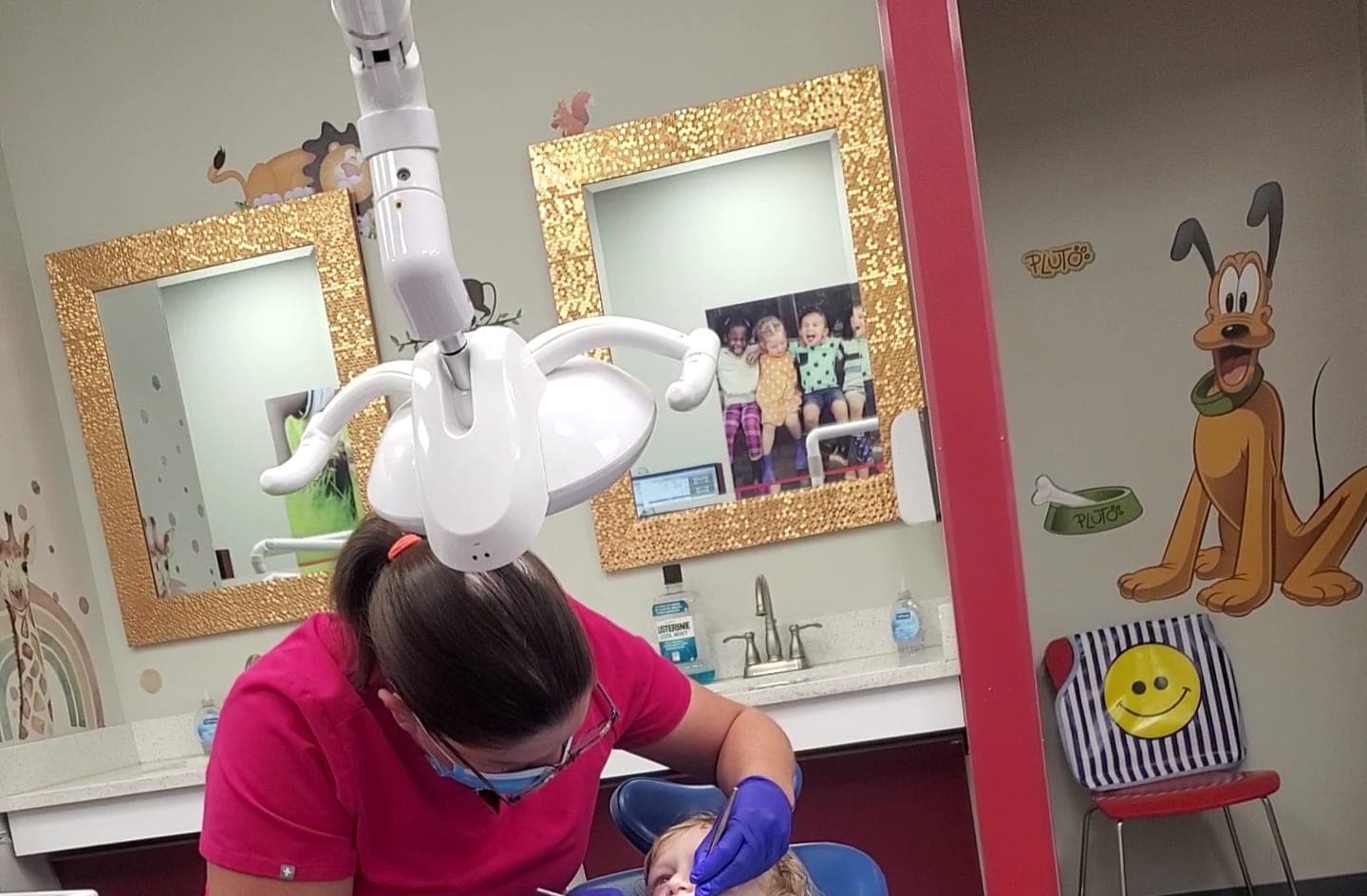
Every parent knows sugar causes cavities. Fewer parents know that when and how often your child eats matters more than how much sugar is in any single snack.
The 20-minute rule
Every time your child eats or drinks something with sugar or starch, the bacteria in their mouth produce acid for roughly 20 minutes afterwards. Saliva then neutralises it and the enamel recovers.
One cookie eaten in one sitting: about 20 minutes of acid. The same cookie nibbled over an hour, plus juice sipped through the afternoon: hours of acid, with no recovery time in between. Same sugar, wildly different outcome.
The practical version: snacks at set times, water in between. That single habit prevents more cavities than any product you can buy.
Brushing that actually works
- Twice a day, two minutes. Last thing before bed is the one that counts most, because saliva flow drops overnight.
- Use fluoride toothpaste. A rice-grain smear under age three, a pea-sized amount after.
- Brush their teeth for them until about age seven or eight. Younger children genuinely lack the fine motor control, no matter how confident they look.
- Don't rinse with water afterwards. Spit, don't rinse, so the fluoride stays on the teeth.
Flossing when teeth touch
You don't need to floss a toddler with gaps between every tooth. But once the back molars are touching, that contact point is where cavities start and a brush can't reach it. Floss picks are much easier for small mouths than string.
Sealants: the highest-value thing we do
The chewing surfaces of the back molars have grooves too narrow for a toothbrush bristle. A sealant is a thin coating painted into those grooves. No drilling, no numbing, a few minutes per tooth, and it prevents most of the cavities that would otherwise form there. Most plans cover it in full for children.
Fluoride varnish
At routine visits we paint on a fluoride varnish that sets on contact. It strengthens enamel and can reverse very early white spots before they ever become a cavity that needs filling.
The honest summary
- Set snack times, water in between
- Brush for them, twice daily, with fluoride toothpaste
- Floss where teeth touch
- Sealants on the molars as they come in
- Six-month visits so anything starting is caught early
Due for a checkup? Book a visit or call (718) 509-4888.
Ready to put this into practice?
Same-week appointments · (718) 509-4888